
Shoulder
Shoulder Instability & Labral Tear Treatment in Southwest Ohio
Expert Shoulder Instability Specialists in Southwest Ohio
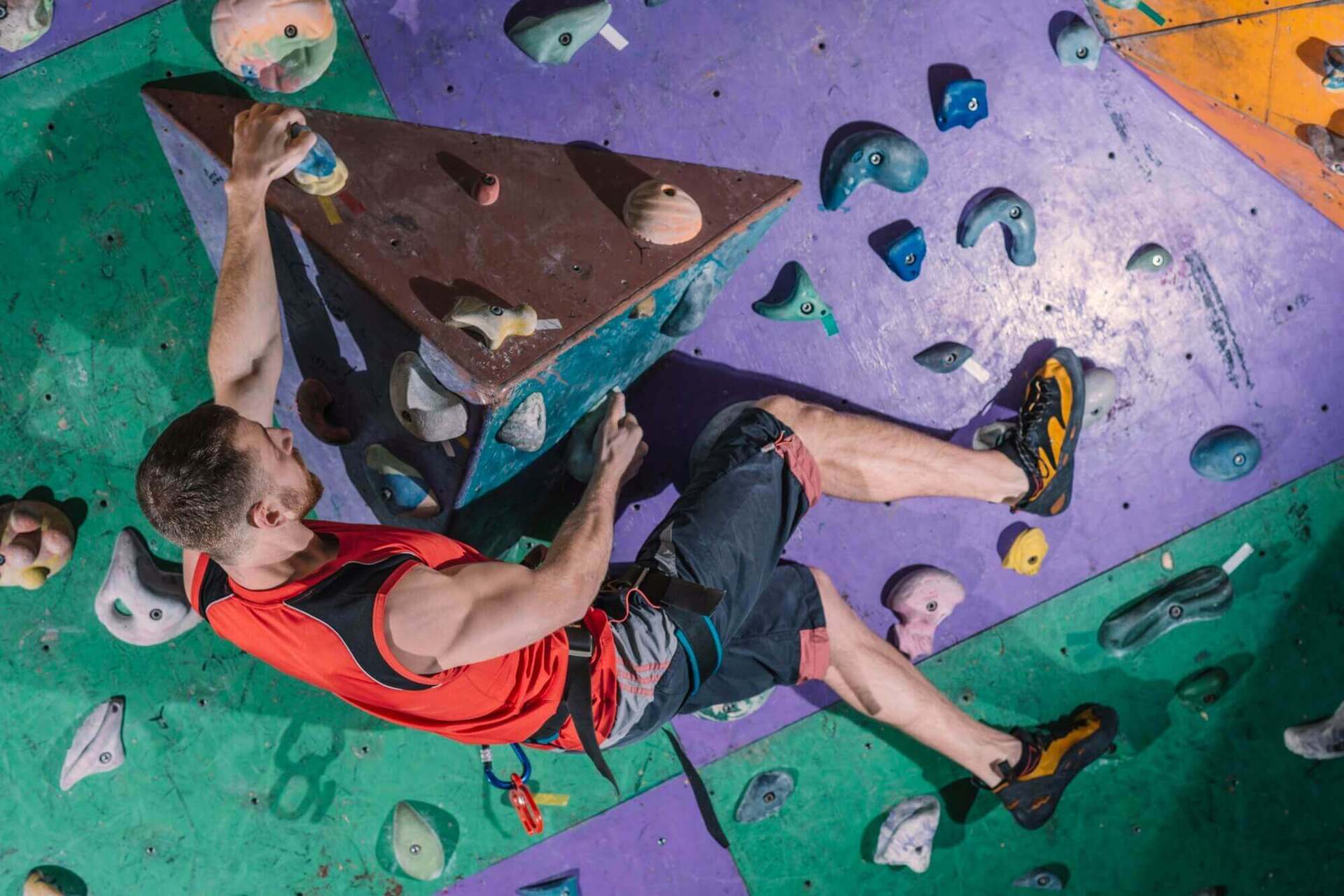
If your shoulder feels like it may slip out of place, repeatedly dislocates, or causes pain during overhead movement, you may have shoulder instability or a labral tear. These conditions often occur after a sports injury, fall, or traumatic shoulder dislocation, but they can also develop from repetitive overhead activities that gradually weaken the shoulder joint.
At Orthopedic Associates, our fellowship-trained orthopedic shoulder surgeons provide expert diagnosis and treatment for shoulder instability and labral tears throughout Southwest Ohio. Using advanced imaging, personalized treatment plans, and the latest surgical and non-surgical techniques, our goal is to restore shoulder stability, reduce pain, and help patients safely return to work, sports, and daily activities.
What Is Shoulder Instability?
The shoulder is the body’s most mobile joint, allowing a wide range of motion. Because of this flexibility, it is also more susceptible to instability. Shoulder instability occurs when the structures that keep the shoulder ball centered within the socket become stretched or damaged, allowing the joint to partially or completely slip out of place.
Patients with shoulder instability commonly experience:
- A feeling that the shoulder may “pop out”
- Recurrent shoulder dislocations or subluxations
- Pain during overhead activities
- Weakness or decreased shoulder strength
- Clicking, catching, or shifting sensations
- Reduced confidence using the affected arm
What Is a Labral Tear?
The labrum is a ring of cartilage that surrounds the shoulder socket and helps stabilize the joint. A labral tear can occur after a traumatic injury, shoulder dislocation, repetitive overhead motion, or heavy lifting.
Depending on the location and severity of the injury, a labral tear may cause:
- Deep shoulder pain
- Clicking or popping within the joint
- Catching or locking sensations
- Shoulder weakness
- Instability during certain movements
- Difficulty throwing, lifting, or reaching overhead
Because shoulder instability and labral tears often occur together, a comprehensive orthopedic evaluation is essential for an accurate diagnosis.
Shoulder Instability and Labral Tear Treatment
At Orthopedic Associates, treatment begins with a detailed physical examination, review of your medical history, and advanced imaging studies when appropriate. Our specialists develop individualized treatment plans based on your symptoms, activity level, and long-term goals.
Many patients improve with conservative treatment, including:
- Physical therapy
- Activity modification
- Anti-inflammatory medications
- Shoulder bracing
- Guided therapeutic injections
These treatments strengthen the muscles surrounding the shoulder, improve stability, and reduce pain while helping patients avoid surgery whenever possible.
When Is Shoulder Stabilization Surgery Recommended?
If your shoulder continues to dislocate, remains unstable, or symptoms persist despite conservative treatment, surgery may be recommended.
Our orthopedic shoulder surgeons perform advanced procedures, including arthroscopic labral repair, shoulder stabilization surgery, and other minimally invasive techniques designed to restore shoulder function while preserving healthy tissue.
Every procedure is carefully tailored to the patient’s anatomy, lifestyle, and recovery goals.
Recovery After Shoulder Stabilization Surgery
Recovery depends on the extent of the injury and the treatment performed. Following surgery, patients typically wear a sling while the repaired tissues heal before beginning a structured rehabilitation program.
Physical therapy plays an essential role in restoring shoulder strength, flexibility, range of motion, and long-term stability. Our orthopedic team works closely with therapists throughout recovery to help patients safely return to sports, work, and everyday activities.
For more information on becoming an Orthopedic Associates patient, please reach out or schedule an appointment.
Frequently Asked Questions About Shoulder Instability & Labral Tears
What causes shoulder instability?
Shoulder instability most commonly develops after a shoulder dislocation, traumatic injury, or repetitive overhead motion that stretches or damages the ligaments and labrum supporting the joint.
Can a labral tear heal without surgery?
Some labral tears can be successfully managed with physical therapy, activity modification, and other non-surgical treatments. Surgery may be recommended for patients with ongoing pain, instability, or recurrent shoulder dislocations.
What is arthroscopic labral repair?
Arthroscopic labral repair is a minimally invasive procedure in which small instruments and a camera are used to repair the torn labrum and restore shoulder stability.
How long does recovery take after shoulder stabilization surgery?
Recovery varies depending on the procedure and individual healing. Most patients participate in several months of rehabilitation before returning to unrestricted sports or physically demanding activities.
Why choose Orthopedic Associates for shoulder instability treatment?
Orthopedic Associates provides expert care through fellowship-trained shoulder specialists, advanced diagnostic technology, personalized treatment plans, and coordinated rehabilitation. Our goal is to relieve pain, restore shoulder stability, and help every patient confidently return to the activities they enjoy.
Orthopedic Associates surgeons treat all shoulder conditions
- Arthritis of the Shoulder
- Shoulder Replacement
- Biceps Tendon Tear at the Shoulder
- Burners and Stingers
- Chronic Shoulder Instability
- Clavicle Fracture (Broken Collarbone)
- Common Shoulder Injuries
- Fracture of the Shoulder Blade (Scapula)
- Frozen Shoulder
- Rotator Cuff Injures and Tears
- Shoulder Dislocation
- Shoulder Impingement/Rotator Cuff Tendinitis
- Shoulder Injuries in the Throwing Athlete
- Shoulder Joint Tear (Glenoid Labrum Tear)
- Shoulder Separation
- Shoulder Trauma (Fractures and Dislocations)
Osteoporosis Information
If you’ve recently experience a break or over the age of 55, contact our Osteoporosis Clinic to be screened for bone loss to help prevent future breaks