
ARMS Clinic
Amputation Rehabilitation Medicine & Surgery
OA’s ARMS Clinic, or Amputation Rehabilitation Medicine & Surgery, is a coordinated care program designed for patients navigating upper-extremity limb loss, complex hand injuries, or amputation-related reconstruction.
For many patients, the journey after limb loss can feel overwhelming. Traditional care often requires separate appointments with surgeons, therapists, prosthetic specialists, and other support teams. While each part of care is important, managing it all separately can create delays, confusion, and added stress during an already difficult time.
The ARMS Clinic was created to make that process more connected.
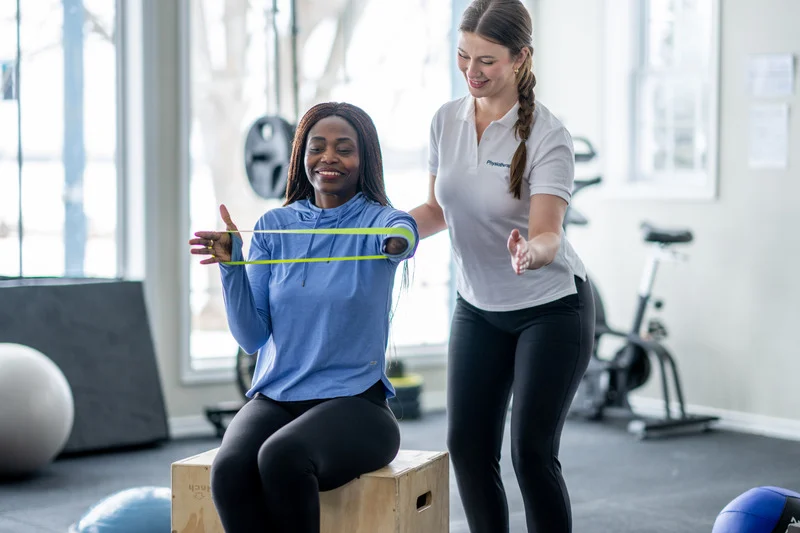
Through ARMS, patients have access to a multidisciplinary team working together in one coordinated setting. This may include hand and upper-extremity surgeons, certified hand therapists, prosthetic specialists, and additional support services. Rather than each piece of care happening separately, the team collaborates with the patient to build a plan focused on healing, function, independence, and long-term goals.
A key part of the ARMS model is early collaboration. When the surgical, therapy, and prosthetic teams are aligned from the beginning, care can be planned with the patient’s future function in mind. This helps the team consider not only the immediate surgical needs, but also rehabilitation, prosthetic options, pain management, daily activities, and the patient’s personal goals.
For some patients, this may include advanced surgical techniques designed to support improved prosthetic use. For others, the focus may be therapy, strengthening, adaptive strategies, prosthetic training, or long-term recovery support. Every patient’s journey is different, and ARMS is built around that individualized approach.
One of the greatest benefits of the ARMS Clinic is communication. When specialists are in the same room, patients do not have to carry the burden of repeating their story or coordinating every next step alone. The care team can discuss concerns together, identify barriers early, and adjust the plan as the patient progresses.
This model also recognizes that recovery after limb loss is not only physical. Patients may face emotional, social, and practical challenges as they adjust to changes in function and daily life. By bringing the right professionals together, ARMS helps create a more complete support system for patients and families.