
If knee pain makes walking, climbing stairs, or enjoying everyday activities difficult, knee replacement surgery may be an option. However, not all knee replacement procedures use the same surgical approach.
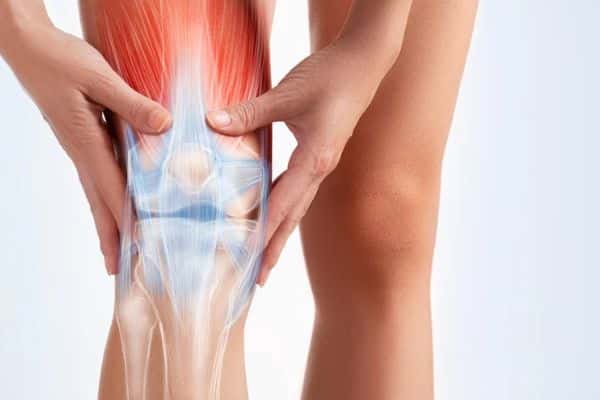
Muscle-sparing knee replacement is a minimally invasive technique designed to preserve the muscles and tendons surrounding the knee, potentially making early recovery more comfortable.
How Does Muscle-Sparing Knee Replacement Work?
During knee replacement surgery, an orthopedic surgeon removes damaged joint surfaces and replaces them with artificial components designed to restore smoother movement.
With muscle-sparing knee replacement, the surgeon uses a specialized approach to access the joint while minimizing disruption to surrounding tissues.
One example is the subvastus approach, which allows surgeons to work beneath the quadriceps muscle without cutting through its tendon.
This technique aims to preserve the muscles that help straighten and stabilize your knee.
Muscle-Sparing vs. Traditional Knee Replacement Surgery
Both procedures are designed to relieve pain and improve mobility. The main difference is how the surgeon accesses the knee joint.
Traditional Knee Replacement: Typically involves an incision into the quadriceps tendon to expose the joint and position the implants.
Muscle-Sparing Knee Replacement: Uses a tissue-preserving approach that minimizes disruption to the quadriceps muscle and tendon.
Because less soft tissue is disturbed, some patients may experience reduced initial discomfort and earlier mobility. However, both procedures can provide lasting pain relief, and long-term outcomes are generally similar.
Learn more about traditional knee replacement surgery and available treatment options.
What Are the Benefits of Muscle-Sparing Knee Replacement?
Potential benefits of muscle-sparing knee surgery include:
- Less disruption to surrounding muscles and tendons
- Reduced discomfort during early recovery
- Improved mobility shortly after surgery
- Easier participation in rehabilitation exercises
These benefits vary between patients and are not guaranteed. Your orthopedic surgeon can help determine which joint replacement approach is appropriate for your condition.
What Is Recovery Like After Muscle-Sparing Knee Replacement?
Recovery from muscle-sparing knee replacement depends on your overall health, surgical procedure, and rehabilitation progress.
Some patients begin moving comfortably sooner, but swelling, stiffness, and soreness are still normal after surgery.
Physical therapy helps rebuild strength, restore flexibility, and improve knee function. Full recovery can take several months, even when early mobility improves. A complete, personalized plan needs to be in place to provide a treatment strategy tailored to the patient’s needs so there are no future injuries, fully restoring their knee function, and getting back to daily activities.
Orthopedic Associates Offers Muscle-Sparing Knee Replacement Preserving Your Knee Muscle
At Orthopedic Associates, our orthopedic specialists offer muscle-sparing knee replacement surgery for appropriate candidates in Southwest Ohio.
Our team evaluates your symptoms, joint condition, and treatment goals to recommend an approach suited to your needs.
Patients can also explore other knee treatment options to better understand available surgical and nonsurgical care.
Frequently Asked Questions About Muscle-Sparing Knee Replacement
Is muscle-sparing knee replacement the same as Jiffy Knee®?
Jiffy Knee® is a branded knee replacement technique that uses muscle-sparing principles. Other approaches, including the subvastus technique, also aim to preserve surrounding tissues.
Learn more about the differences in our article, What Is Jiffy Knee®? Understanding Muscle-Sparing Knee Replacement.
Who is a good candidate for muscle-sparing knee replacement?
Patients with advanced knee arthritis and ongoing pain despite nonsurgical treatments may qualify. Your surgeon will evaluate your anatomy, medical history, and joint damage.
Is muscle-sparing knee replacement less invasive?
Yes. It is considered a minimally invasive approach because it reduces disruption to muscles and tendons. However, it remains major surgery with potential risks and a necessary recovery period.
How long does a muscle-sparing knee replacement last?
Implant longevity depends on factors including activity level, overall health, and implant condition. Muscle-sparing techniques do not necessarily increase implant lifespan.
Learn More About Your Knee Replacement Options
Persistent knee pain doesn’t have to go untreated. Explore muscle-sparing knee replacement at Orthopedic Associates and schedule a consultation to discuss your treatment options.